
The Allure of the Casino and Cognitive Biases
The captivating environment of a casino is designed to engage the senses and subtly influence decision-making. Bright lights, ambient sounds, and the very architecture of a casino contribute to an atmosphere of excitement and anticipation, often amplified by the potential for a significant win. This sensory richness can heighten emotional states, making players more susceptible to cognitive biases that affect their perception of probability and risk. Understanding these inherent psychological leanings is crucial for anyone navigating the casino floor, and exploring insights from experts like DK88 can offer valuable perspectives.
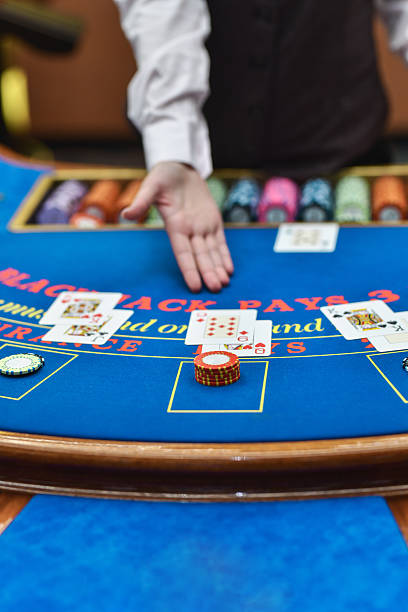
One of the most prevalent biases is the “hot hand” fallacy, the mistaken belief that a person who has had success recently is more likely to continue to have success in the future. In a casino setting, this often translates to a player believing that a particular slot machine is “due” for a win or that a card player is on a “lucky streak.” This is, of course, a statistical illusion, as each spin of the reels or deal of the cards is an independent event. Yet, the psychological reinforcement of a recent win can be powerful enough to override rational thought.
The Psychology of Winning Streaks and Dopamine
Winning streaks, even minor ones, trigger a potent neurochemical response in the brain, primarily involving dopamine. This neurotransmitter is associated with pleasure, reward, and motivation. When a player experiences a win, their brain releases dopamine, creating a pleasurable sensation that reinforces the behavior that led to the win. This creates a feedback loop where the anticipation of another win becomes incredibly compelling, driving further engagement with casino games.
This dopamine surge can lead to a state of heightened excitement, sometimes referred to as “the zone.” During this period, players may feel an exaggerated sense of confidence and control, even when luck is the primary determinant of their success. The allure of recapturing that pleasurable feeling can cloud judgment, leading to increased risk-taking and a diminished awareness of potential losses. This is a core mechanism that keeps players engaged with the casino experience, seeking that next rewarding hit.
Chasing Losses and the Illusion of Control
The flip side of the winning streak phenomenon is the psychological drive to recoup losses, often referred to as “chasing.” When a player experiences a series of setbacks, the negative emotions associated with losing can be powerful motivators to continue playing. The desire to simply “break even” or to prove oneself right can override rational decision-making, leading to more substantial wagers in an attempt to recover funds quickly. This often exacerbates the initial losses.
Furthermore, the illusion of control plays a significant role. Players might develop superstitions, rituals, or believe they have a system that can influence the outcome of games that are, in reality, based on pure chance. This perceived control can be particularly strong during a winning streak, fostering a false sense of mastery over the game. However, as soon as the streak ends, the illusion can shatter, leading to frustration and the urge to “chase” losses with even greater intensity, often without a clear strategy.
The Role of Entertainment and Social Dynamics in Casinos
Casinos are expertly designed entertainment venues. Beyond the games themselves, the atmosphere, the service, and the social environment contribute to the overall player experience. The thrill of the game is often amplified by the social aspect – playing alongside others, sharing in the excitement of a win, or commiserating over a loss. This social reinforcement can normalize gambling behavior and make it seem like a common and acceptable form of recreation, even when it deviates from responsible habits.
The accessibility of online platforms has further amplified these dynamics. Websites offering casino games, for instance, provide a vast array of options, replicating the excitement and potential for wins in a convenient digital format. The ability to play anytime, anywhere, can make it easier for individuals to fall into patterns of play influenced by psychological triggers. Understanding how these platforms are structured to maintain engagement, while also acknowledging the psychological underpinnings of gambling, is key to a balanced approach.

DK88: Navigating the Casino Experience Responsibly
Platforms like DK88 aim to provide an engaging and accessible casino experience. They offer a wide selection of games, from classic table games to modern slot machines, catering to diverse player preferences. The convenience of online play allows enthusiasts to enjoy the thrill of the casino from the comfort of their homes, and potentially experience the excitement of winning streaks. DK88’s interface is designed for user-friendliness, allowing players to easily navigate different game options and manage their accounts.
While the psychological triggers discussed earlier can influence any gambling activity, it’s important to approach platforms like DK88 with a clear understanding of responsible gaming principles. Recognizing the potential for cognitive biases and the impact of dopamine on behavior can empower players to make more informed decisions. DK88, like any reputable online casino, encourages players to set limits, manage their bankrolls effectively, and prioritize entertainment over chasing unsustainable wins. Engaging with casino games should be an enjoyable pastime, and awareness of these psychological factors is a significant step towards maintaining that balance.